
Kettering Mid-Century Modern Pockets: Van Buren, Southdale and Lincoln Park Ranches at a Mid-$240s Median
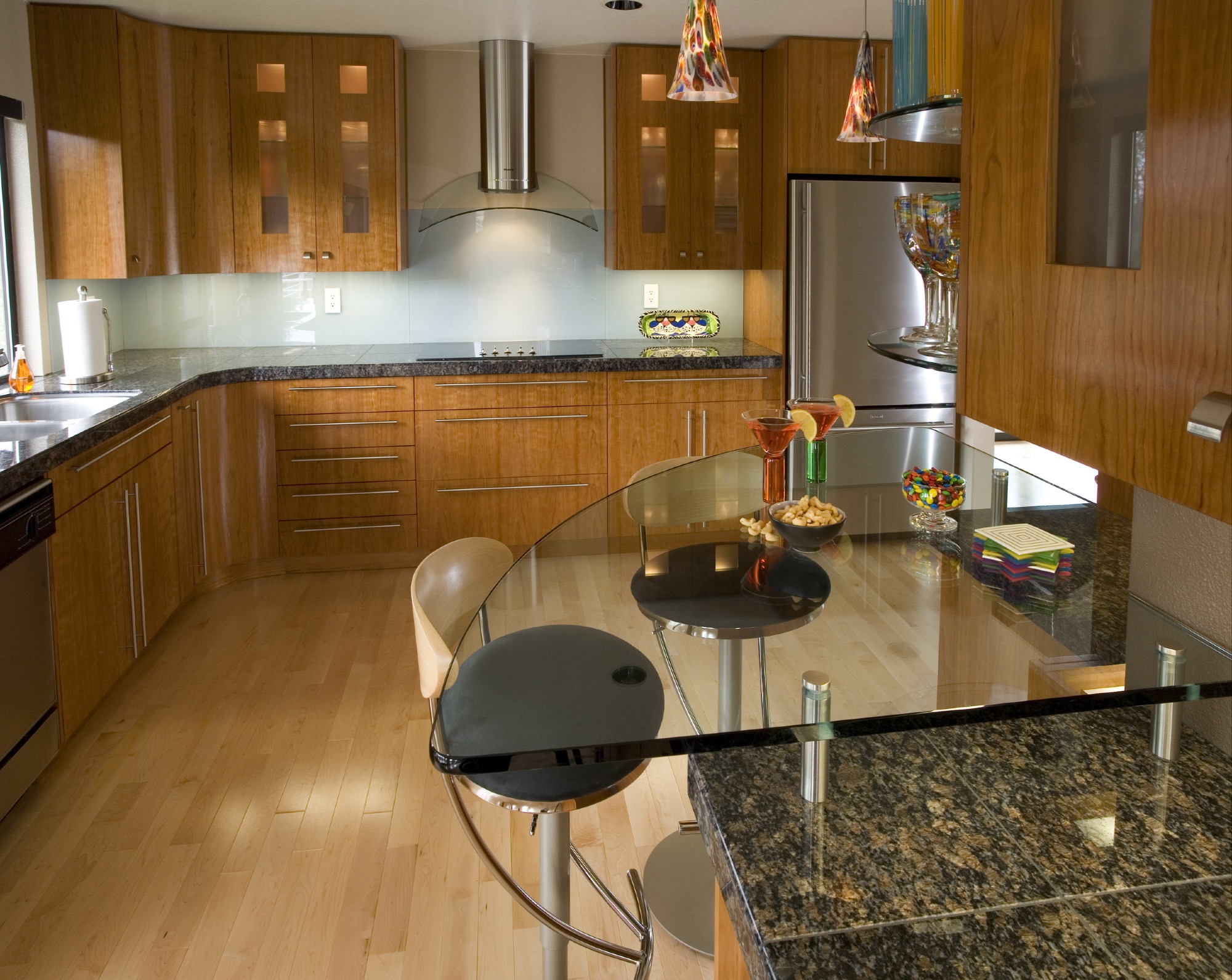 Kettering, Ohio, has one of the Miami Valley’s strongest concentrations of mid-century housing. Much of the city developed during the postwar expansion of the 1950s and 1960s, leaving Kettering with a large supply of ranches, split-levels, Cape Cods, and homes with distinctly modern architectural details.
For buyers, the appeal is easy to understand: established streets, mature landscaping, efficient layouts, and architectural character at prices that often remain more approachable than custom mid-century homes in some neighboring communities.
The trade-off is age. Electrical systems, plumbing, roofs, drainage, windows, insulation, and environmental concerns all deserve close attention before buying a mid-century home.
Quick answer: Buyers searching for mid-century homes in Kettering should begin with West Kettering and established postwar areas around Van Buren and Southdale. The broader Dayton-area search can also include Oakwood, Centerville, Fairborn, Vandalia, Huber Heights, and other communities documented in the Ohio Modern Dayton survey.
What Is the 2026 Kettering Housing Market Like?
For the three months ending September 2026, Redfin reported a Kettering median sale price of approximately $260,000, up 3.7 percent from the same period a year earlier. Homes sold in an average of 29 days, compared with 31 days the previous year.
Zillow reported an average Kettering home value of approximately $244,185, up 2.3 percent year over year. That number measures estimated home values, not closed-sale prices, which is why it differs from Redfin’s median sale price.
These citywide figures provide useful context, but they do not tell buyers what a particular mid-century home is worth. Condition, location, lot size, architectural integrity, and major system updates can create significant differences between two homes built during the same decade.
| 2026 Market Measure | Reported Figure | What It Measures |
|---|---|---|
| Median sale price | Approximately $260,000 | Median price of recently sold homes |
| Average days on market | 29 days | Average marketing time before sale |
| Average home value | Approximately $244,185 | Zillow’s estimated value for the typical home |
Market figures were reviewed in October 2026. Real estate data changes frequently and can vary by source and measurement method.
Where Can You Find Mid-Century Homes in Kettering?
Kettering does not have one single mid-century modern district. Its postwar housing is distributed across established neighborhoods throughout the city.
The Ohio History Connection’s Ohio Modern Dayton survey examined properties constructed between 1940 and 1970 across Kettering and surrounding communities. The survey specifically recommended additional neighborhood-level study in West Kettering because of its quantity of potentially eligible mid-century resources with strong architectural integrity.
Buyers commonly begin their search in these parts of Kettering:
- West Kettering: Larger lots and a concentration of well-preserved mid-century residences.
- Van Buren area: Postwar ranches, Cape Cods, and split-level homes in established subdivisions.
- Southdale area: Brick and frame ranches from the city’s primary period of suburban development.
- Other established Kettering neighborhoods: Mid-century homes appear throughout the city rather than inside one formally defined enclave.
A search should focus on the individual home rather than relying only on a neighborhood name. Construction dates, previous renovations, original materials, lot characteristics, and architectural features vary from property to property.
Where Else Can Buyers Find Mid-Century Homes Near Dayton?
The Ohio Modern Dayton survey documented mid-century architecture throughout the metropolitan area, including Kettering, Oakwood, Centerville, Fairborn, Huber Heights, Trotwood, and Vandalia.
| Community | What Buyers May Find | Search Consideration |
|---|---|---|
| Kettering | Ranches, split-levels, Cape Cods, and occasional custom modern homes | Largest variety of postwar housing in a broad range of conditions |
| Oakwood | Custom residences and mid-century homes on established lots | Pricing varies significantly by location, size, design, and condition |
| Centerville | Ranches, split-levels, and homes built during suburban expansion | Mid-century inventory is distributed across multiple areas |
| Fairborn | Postwar ranches and brick homes | Compare renovations and major system updates carefully |
| Huber Heights, Vandalia and Trotwood | Postwar subdivisions and mid-century residential architecture | Search by construction year and architectural features |
Why Does Kettering Have So Many Mid-Century Homes?
Kettering’s housing stock reflects its rapid postwar growth. The community developed from Van Buren Township and was incorporated as the Village of Kettering in 1952.
A special census recorded 38,118 residents in 1955, qualifying Kettering for city status. Kettering was officially proclaimed a city on June 24, 1955.
As the population expanded, builders added subdivisions filled with the housing styles popular during the period. Ranches, split-levels, Cape Cods, and modern interpretations of traditional designs became common throughout the city.
This history explains why mid-century housing in Kettering is not limited to rare architect-designed properties. It also includes practical postwar homes built for the city’s rapidly growing population.
What Should You Inspect Before Buying a Mid-Century Home?
A home’s construction year does not automatically indicate that a system is unsafe or needs replacement. It does tell buyers which areas deserve careful inspection.
| System | What to Review | Who Should Evaluate It |
|---|---|---|
| Electrical | Service capacity, panel condition, grounding, branch wiring, and past updates | Licensed electrician |
| Plumbing | Supply-line materials, drain condition, water pressure, leaks, and sewer line | Licensed plumber or qualified sewer inspector |
| Roof | Roof age, slope, drainage, flashing, penetrations, and repair history | Qualified home inspector or roofing contractor |
| Basement and drainage | Cracks, moisture, grading, gutters, downspouts, sump pump, and drainage history | Home inspector and structural professional when needed |
| Windows and doors | Seal failure, air leakage, water intrusion, and condition of original components | Home inspector or window specialist |
| Heating and cooling | Equipment age, maintenance history, ductwork, ventilation, and performance | Licensed HVAC contractor |
| Environmental concerns | Potential lead-based paint and materials that may contain asbestos | Qualified testing or environmental professional |
Electrical Service and Wiring
Older electrical panels may not provide the capacity needed for modern appliances, charging equipment, additions, or updated heating and cooling systems.
Homes built or rewired from approximately 1965 through the mid-1970s may contain aluminum branch-circuit wiring. That does not mean every home from this period has aluminum wiring, but it is something a qualified electrician should identify and evaluate.
Roofs and Drainage
Some mid-century designs use low-slope or near-flat roof sections. These roofs require appropriate materials, flashing, and drainage. Buyers should review the roof’s age, installation history, evidence of ponding water, and past repairs.
Lead-Based Paint and Other Materials
Federal guidance applies to homes built before 1978 because they may contain lead-based paint. Buyers planning renovations should discuss testing and lead-safe work practices with qualified professionals before disturbing painted surfaces.
Some older flooring, insulation, adhesives, and mechanical materials may also contain asbestos. Appearance alone cannot reliably confirm whether a material contains asbestos, so testing should be handled by a qualified professional when renovation or damage could disturb the material.
How Should Buyers Budget for Updates?
Start with the condition of the major systems, not cosmetic finishes. A dated kitchen may be easy to see, but the electrical service, plumbing, roof, drainage, and HVAC system can have a greater effect on the real cost of ownership.
Before making major financial decisions, buyers should:
- Review available permits, disclosures, receipts, and service records.
- Obtain a professional home inspection.
- Request specialist evaluations when the general inspection identifies concerns.
- Obtain property-specific contractor estimates.
- Discuss financing options with a qualified lender before assuming repair costs can be included in the mortgage.
The FHA 203(k) program is one potential renovation-financing option. It can combine eligible acquisition and rehabilitation costs in one insured mortgage, subject to program requirements, borrower qualification, property eligibility, and lender approval.
What Should Sellers Know?
Documentation matters when selling an older home. Buyers are more confident when they can review the age and history of the roof, electrical panel, plumbing, HVAC equipment, windows, waterproofing, and other major improvements.
Sellers should avoid describing every ranch or split-level as “mid-century modern.” The strongest listings explain which features are original, which have been restored, and which have been updated.
Original details such as wood paneling, built-ins, stone fireplaces, terrazzo, clerestory windows, and period lighting may appeal to some buyers. Other buyers may prioritize updated systems. Accurate marketing should explain both the character and the condition without overstating either.
The Bottom Line
Kettering’s postwar growth created one of the Dayton area’s strongest collections of mid-century housing. Buyers can find everything from practical brick ranches to distinctive custom homes, but the architecture should be evaluated alongside the condition of the electrical system, plumbing, roof, drainage, HVAC, windows, and environmental materials.
The best purchase is not simply the home with the most original features. It is the home whose character, condition, renovation needs, and total cost fit the buyer’s goals.
Frequently Asked Questions
Where can I find mid-century modern homes in Kettering?
Mid-century housing is distributed throughout Kettering rather than concentrated in one formally designated district. West Kettering and established postwar areas around Van Buren and Southdale are useful places to begin a search.
What is the median home price in Kettering in 2026?
Redfin reported a median sale price of approximately $260,000 for the three months ending September 2026. Prices vary by location, condition, lot, size, updates, and architectural features.
Are all Kettering ranch homes mid-century modern?
No. Many were built during the mid-century period, but construction date alone does not make a home mid-century modern. Architectural form, materials, windows, roofline, interior layout, and original design details all matter.
Do Kettering mid-century homes have aluminum wiring?
Some homes built or rewired from approximately 1965 through the mid-1970s may contain aluminum branch-circuit wiring, but it is not present in every home. A licensed electrician should identify the wiring and recommend any appropriate next steps.
Should I test a Kettering home for lead-based paint?
Homes built before 1978 may contain lead-based paint. Buyers planning renovations should review the required disclosures and discuss testing and lead-safe renovation practices with qualified professionals.
Can renovation costs be included in a mortgage?
Programs such as the FHA 203(k) may allow eligible purchase and renovation expenses to be combined, but requirements vary. Buyers should consult a qualified lender before making an offer based on anticipated financing.
Searching for a Mid-Century Home in the Dayton Area?
Glasshouse Realty can help you search for homes by location, construction period, architectural features, and renovation history throughout Kettering and the Miami Valley.
TALK WITH A LOCAL AGENTSources
- City of Kettering: Kettering History
- City of Kettering: Demographics
- Ohio History Connection: Ohio Modern
- Redfin: Kettering Housing Market
- Zillow: Kettering Home Values
- U.S. Consumer Product Safety Commission: Aluminum Wiring
- U.S. Environmental Protection Agency: Lead-Safe Renovation
- U.S. Department of Housing and Urban Development: FHA 203(k)
Information reviewed October 21, 2026. Market data changes frequently. This article provides general educational information and is not a home inspection, appraisal, contractor estimate, or legal, tax, environmental, or financial advice. Buyers and sellers should consult appropriately licensed professionals for property-specific guidance.
Categories
Recent Posts